
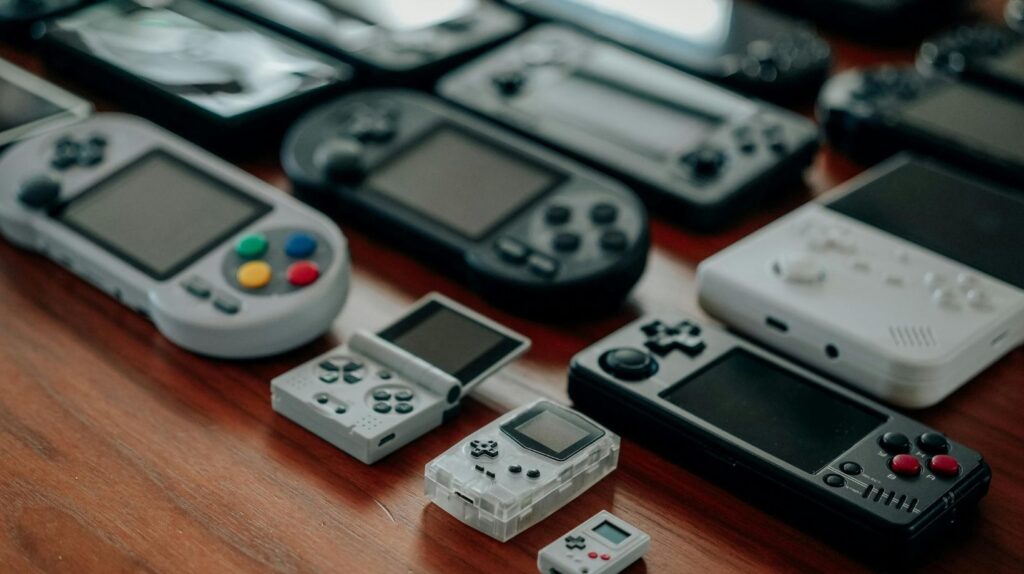
The modern video game industry is pushing out photorealistic 4K graphics and massive open worlds, yet a massive slice of the player base is looking directly backward. For years, massive corporate studios assumed that younger audiences only cared about ultra-fast frame rates and non-stop live-service updates. Shifting through the middle months of 2026, a crazy cultural shift is proving that theory completely wrong. Teenagers and young adults are actively hunting down bulky CRT televisions, original PlayStation 2 systems, and physical plastic cartridges from the 1990s. This booming interest in vintage tech represents a loud rejection of modern gaming trends, proving that simple, complete experiences on physical discs are winning out over corporate digital storefronts.
Unplugging From Algorithmic Feeds and In-Game Purchases
The biggest driver behind the sudden retro explosion is severe fatigue from modern online gaming structures. Today’s major releases are often packed with hidden costs, aggressive battle passes, and massive day-one downloads that make gaming feel like a secondary chore.
While waiting for a massive 60-gigabyte software update to finish installing on their main modern console, players frequently grab their smartphones as a second screen to check secondary entertainment options. They will jump onto premium gambling platforms like JabulaBets to quickly check the latest global esports tournament betting lines or launch a fast-paced crash game while the system progress bar slowly crawls forward. This deep craving for fast, friction-free entertainment highlights exactly why classic consoles are making a roaring comeback. An old-school console does not require a massive day-one patch or constant cloud verification to function. You simply slide the physical media into the tray, hit the heavy power switch, and enjoy a finished artistic product with zero digital interruptions.
To understand why 90s hardware is commanding premium prices at flea markets this summer, it helps to look at how modern titles stack up against retro classics. The table below breaks down the foundational differences between today’s digital live-service games and traditional analog setups:
| Gaming Experience Category | Modern 2026 Live-Service Titles | Traditional 90s Retro Video Games |
| Primary Media Format | Entirely digital downloads and cloud streams | Tangible physical cartridges and CD-ROM discs |
| Post-Launch Cost Model | Constant microtransactions and season passes | One flat upfront price for the complete package |
| System Boot-Up Speed | Slow, blocked by giant mandatory updates | Instant playback the second you hit the switch |
| Internet Dependence | Total, requiring constant online verification | One hundred percent offline and local play |
| Long-Term Ownership | Temporary licensing tied to corporate servers | Permanent physical property that you can resell |
A Step-by-Step Blueprint for Hunting Down Vintage Gaming Treasures
Building a solid collection of classic games requires a smart, boots-on-the-ground strategy if you want to avoid paying inflated online reseller prices. You cannot just rely on major digital marketplaces without burning through your hard-earned cash. Following a systematic approach ensures you track down original hardware that actually works without blowing your summer budget.
- Audit local independent thrift stores and garage sales early on Saturday mornings.
- Test the internal save batteries on old cartridges before closing the deal.
- Learn to clean oxidized copper pins using basic isopropyl alcohol and cotton swabs.
- Invest in high-quality component cables to make old signals look sharp on modern screens.
- Connect with regional trading groups to swap duplicate titles face-to-face.
Escaping the Endless Feed and Curing Screen Burnout
Ditching hyper-stimulating online lobbies for local, single-player retro titles provides an immediate sense of mental relief. Psychologists note that modern algorithm-driven games are designed to keep your brain in a constant state of mild stress, using flashing lights and FOMO tactics to hook your attention. Stepping back into the structured world of 90s platformers or early 3D role-playing games lets your mind rest. These titles offer clear endings and a focused, human scale of design, functioning as a perfect digital detox from the non-stop noise of modern smartphones.
Protecting Gaming History Saves Real Cash Over Time
Investing in physical media is a smart financial move compared to spending money on temporary digital licenses that can disappear overnight. When you buy a digital skin or a downloadable map pack on a modern console, that money is gone forever the second the publisher shuts down the servers. A physical copy of a classic game retains real, tangible value that often goes up as original copies become rarer. Building a library of real discs and cartridges means you own a permanent piece of cultural history that you can play, trade, or sell whenever you want.
Tangible Media Wins Big Over Temporary Cloud Licenses
As major tech brands actively announce plans to phase out physical game discs entirely over the next few years, the desire to own real, tangible objects is turning into a full-blown movement. Relying on corporate subscription services for your entire entertainment library leaves you completely at the mercy of sudden price hikes and expiring corporate contracts. Retro game collecting allows the younger generation to take back ownership of their favorite hobbies while discovering the raw charm of pixel art and limitations-driven design. By turning away from the digital cloud and building a physical library today, younger players are ensuring that the true golden era of interactive entertainment stays alive for decades to come.