
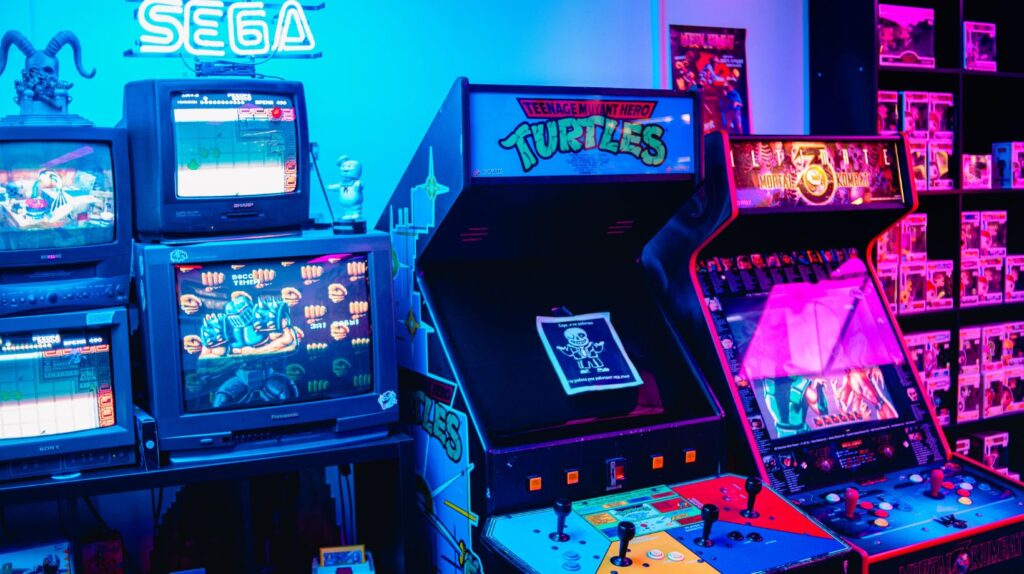
The global video game market is experiencing a massive power shift this summer. For decades, multi-million dollar AAA studios dominated player hardware by using massive budgets, cutting-edge graphics engines, and massive marketing campaigns to lock down guaranteed sales. Moving through the middle months of 2026, that heavy corporate strategy is completely backfiring. Gamers are growing incredibly tired of bloated, sixty-hour open worlds that feel more like checklist chores than fun hobbies. Instead, the gaming community is aggressively rallying behind independent indie developers. These tiny, passionate studios are putting out highly innovative, polished titles that prioritize raw creative risk and actual fun over boring, algorithm-driven monetization loops.
Big Studio Sequel Bloat Opens the Door for Passionate Creative Teams
The primary issue destroying the appeal of massive AAA game releases is total creative stagnation. The largest corporate publishers are so terrified of losing their massive financial investments that they refuse to experiment with unique concepts, leading to a constant flood of boring sequels, live-service clones, and safe remakes.
While waiting for a massive 80-gigabyte system update or a slow download queue to finish processing on their main desktop rig, PC enthusiasts routinely look to their phones as a secondary interface. They will log into responsive digital platforms like Spin Genie Casino to quickly view the shifting live esports tournament lines or pull up a fast-paced crash game while the progress bar slowly crawls forward. This intense demand for rapid, high-yield entertainment highlights exactly why the indie scene is winning over the mainstream audience. Independent studios bypass all the corporate bloat, delivering highly focused gameplay experiences that value your limited time and spark instant, genuine curiosity without any exhausting tutorials or hidden surprise charges.
To see why small-scale projects are thoroughly outperforming major mainstream studio drops this year, it helps to look at the real operational differences. The table below breaks down how modern AAA live-service titles contrast directly against creative indie releases this summer:
| Game Production Element | Corporate Budget AAA Studio Releases | Independent Creative Indie Video Games |
| Upfront Base Price | High, sitting at seventy dollars before DLC additions | Low, offering great value around fifteen to thirty dollars |
| Post-Launch Monetization | Heavy, packed with battle passes and microtransactions | Completely non-existent, providing a finished package |
| Gameplay Innovation Level | Extremely safe, copying standard industry formulas | Crazy high, pushing unique artistic and mechanical bounds |
| System Storage Footprint | Massive, clogging up precious hard drive space | Compact, allowing for fast downloads and light updates |
| Community Communication | Cold, managed by corporate public relations teams | Close, with solo developers talking directly to players |
A Step-by-Step Blueprint for Uncovering Hidden Indie Masterpieces
Navigating the massive flood of daily digital storefront drops requires a smart discovery strategy if you want to find the true creative diamonds in the rough. You cannot just rely on the main front-page banner ads if you want to experience genuine storytelling innovation.
- Monitor community-voted digital showcases like the Steam Next Fest to download fresh, playable game demos.
- Follow independent developer logs on social media to watch a game’s progress from the ground up.
- Check specialized review aggregators like OpenCritic to see what small, passionate reviewers are praising.
- Dive into regional gaming forums to swap deep-cut title recommendations directly with other enthusiasts.
- Support early-access build cycles to provide real, impactful feedback that molds the final design.
Finding Authentic Artistic Voices and Curing Core Gameplay Burnout
Ditching predictable corporate shooters for specialized indie puzzle games, roguelikes, or rich visual novels provides an immediate sense of mental refresh. Psychologists state that playing the exact same repetitive multiplayer loops over and over again can actually turn your favorite hobby into a boring, automated stress cycle. Stepping into unique, hand-crafted experiences lets your brain light up again with true problem-solving joy. These games are built by small, passionate human groups who actually care about the art form, resulting in distinct visual styles and emotional narratives that stick in your memories long after the final credits roll.
Supporting True Creativity Keeps More Cash in Your Entertainment Wallet
Investing your money in smaller independent projects is an incredibly smart financial move that rewards real human effort. Buying a single broken, unoptimized AAA launch title can drain your summer budget while leaving you feeling completely ripped off by corporate hype. For the exact same price tag, you can grab three or four critically acclaimed indie hits that run beautifully on any hardware configuration. This budget-friendly approach shields your personal finances from exploitative season passes while actively funding the next wave of grassroots game designers, keeping the entire industry healthy, competitive, and truly artistic.
Real Passion Waves Goodbye to Corporate Live Service Frameworks
As corporate executives continue to announce aggressive layoffs and cancel highly anticipated projects to protect their bottom lines through the remaining months of this year, the old-school studio hierarchy is crumbling down. Audiences do not want to buy games that feel like endless digital jobs designed by a room full of data accountants. Indie video games are saving the entire hobby by reminding players why they fell in love with interactive entertainment in the first place. By turning your attention toward small, independent storefront releases today, you take a loud stand against corporate greed while discovering a massive, endless world of pure imagination and unmatched gameplay design.