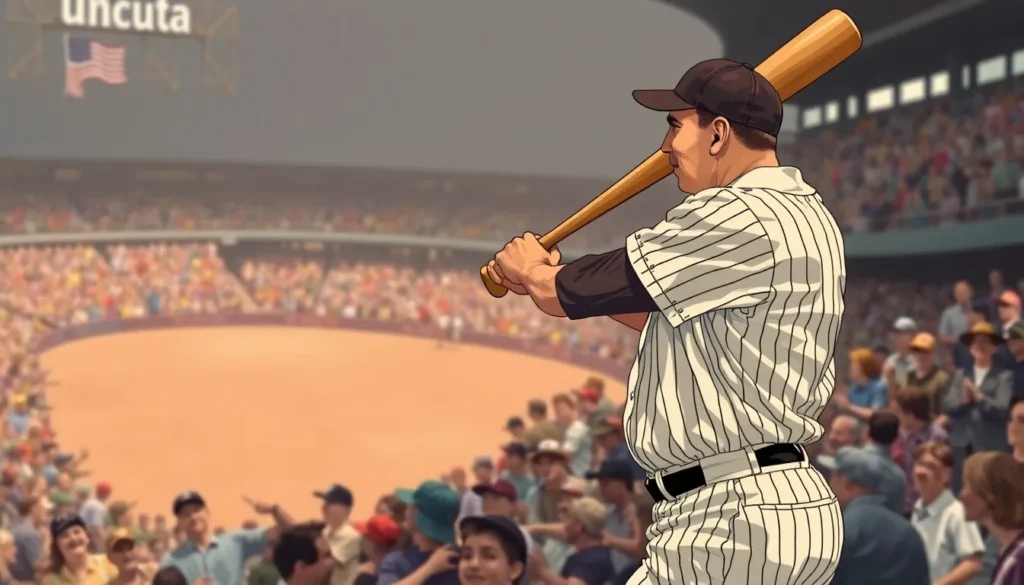
The 1920s was a decade that roared louder than a lion at a jazz club. Sports transformed into a spectacle, captivating fans and igniting fierce rivalries. From the rise of baseball legends to the dazzling world of boxing, the athletic arena became a playground for heroes and legends.
1920 Sports
The 1920s marked a significant evolution in sports culture across the United States and beyond. Sports grew into a celebrated form of entertainment during this time. Baseball emerged as America’s pastime, with iconic players like Babe Ruth captivating fans with their incredible talent and larger-than-life personas.
Boxing also became immensely popular, with figures such as Jack Dempsey drawing massive crowds. His bouts not only showcased athletic prowess but also represented a clash of social classes, further fueling public interest. These fights often took place in packed arenas, where the atmosphere buzzed with excitement.
Football gained traction in the 1920s, transitioning from a college sport to a professional league. The formation of the National Football League (NFL) in 1920 signaled a new era, turning football into a staple for American audiences. By the end of the decade, attending games became a favored pastime for families and friends.
Basketball’s rise came alongside other sports, with college games capturing attention across campuses. The sport’s fast pace and engaging play attracted fans, and organizations began forming to promote it at various levels. Local tournaments gained popularity as players demonstrated their skills.
Track and field also thrived during the 1920s. Athletes like Paavo Nurmi and Jim Thorpe set records and inspired a new generation of competitors. Their achievements highlighted how sports could transcend boundaries, uniting diverse groups through shared passion.
In essence, sports in the 1920s laid the groundwork for modern athletics. The decade showcased the power of sports to entertain and unite, setting the stage for future developments in the athletic landscape.
Popular Sports in the 1920s
The 1920s showcased a thrilling array of sports, attracting passionate fans and bringing legendary figures into the spotlight. Baseball, football, basketball, and other sports captivated audiences across the nation.
Baseball
Baseball emerged as the defining sport of the decade. Led by superstars like Babe Ruth, the game attracted millions of fans each summer. Ruth’s charisma and powerful home runs transformed him into a cultural icon. Teams like the New York Yankees dominated the league, fueling rivalries that added excitement to each game. Attendance soared as stadiums filled with enthusiasts eager to watch their favorite teams compete. The sport solidified its status as America’s pastime during this vibrant era.
Football
Football experienced significant growth in the 1920s, transcending its college roots. The establishment of the National Football League (NFL) in 1920 marked a pivotal moment for professional football. Teams began to attract dedicated followings, drawing large crowds to games. Players like Red Grange emerged as stars, showcasing athleticism and skill that captivated fans. The game’s structure evolved, making it more exciting and competitive. Professional football began to create a strong identity, setting the stage for its future prominence.
Basketball
Basketball gained popularity as a dynamic sport during the 1920s. College tournaments attracted significant attention, showcasing talented players who dazzled audiences with their skills. Teams like the University of Kansas and Stanford made remarkable strides, enhancing the sport’s reputation. The formation of the Basketball Association of America in 1946 would later expand its reach. Prominent players inspired admiration from fans, further solidifying basketball’s role in American sports culture. The influence of the sport began to spread beyond college campuses, gaining a wider spectator base.
Key Events and Milestones
The 1920s were pivotal for sports, featuring notable competitions and groundbreaking events.
The 1920 Summer Olympics
Held in Antwerp, Belgium, the 1920 Summer Olympics marked the first Games after World War I. This edition included athletes from 29 nations. A record 2,626 competitors participated, showcasing various sports. The Games emphasized sportsmanship, with the newly introduced Olympic flag symbolizing unity. Finland’s Paavo Nurmi garnered attention by winning three gold medals and one silver, establishing himself as a legendary distance runner. Additionally, women made their Olympic debut in swimming, signaling a shift towards inclusivity in athletics.
Landmark Championships
Several significant championships emerged during the decade, each contributing to sports’ popularity. In baseball, the 1921 World Series featured the New York Yankees, claiming the championship against the New York Giants. Meanwhile, boxing saw Jack Dempsey defending his heavyweight title in titanic matches, drawing enormous crowds. Professional football flourished with the inaugural NFL season in 1920, establishing a strong foundation for future leagues. Notably, college basketball gained traction through thrilling matchups, exemplifying the growing appeal of the sport and increasing fan engagement.
Influential Athletes of the Decade
Influential athletes transformed sports in the 1920s, becoming icons whose legacies resonate today. Their achievements defined the spirit of the decade.
Babe Ruth
Babe Ruth revolutionized baseball during the 1920s, captivating fans with his exceptional talent and charismatic personality. The New York Yankees star broke home run records, hitting 60 in 1927. His larger-than-life persona drew unprecedented crowds to ballparks, making baseball the nation’s pastime. Ruth’s impact extended beyond statistics; he changed the marketing of sports, promoting endorsements and celebrity culture. Teams like the Yankees flourished, thanks to his performances. His influence helped propel the sport into the limelight, solidifying its place in American culture.
Red Grange
Red Grange, known as “The Galloping Ghost,” ignited pro football’s popularity in the 1920s. His college career at the University of Illinois showcased astonishing performances, including a legendary game against Michigan where he scored four touchdowns in a single half. Grange’s transition to the professional league came with the formation of the NFL in 1920, making him an instrumental figure in its growth. His signing with the Chicago Bears drew national attention and significantly increased attendance at games. Beyond his athleticism, Grange’s marketability helped secure pro football’s place alongside baseball in the hearts of fans.
Helen Wills
Helen Wills dominated women’s tennis in the 1920s, establishing herself as one of the sport’s first female icons. Her fierce competitive spirit led her to win seven Wimbledon titles between 1927 and 1938. Wills’ achievements inspired countless young female athletes to pursue their dreams. Her powerful serve and strategic play made her a formidable opponent on the court. Moreover, she broke barriers in a male-dominated sport, advocating for women’s rights and sports participation. This dedication to her craft left a lasting legacy, shaping the future of women’s sports.
The Impact of Media on Sports
Media profoundly shaped the sports landscape in the 1920s. Print media, particularly newspapers, played a crucial role in popularizing sports like baseball and boxing. Coverage of games and matches reached millions, generating excitement and creating star athletes. Photographs captured thrilling moments, giving fans a front-row seat to events they couldn’t attend.
Radio broadcasts emerged during this decade, adding a new dimension to sports consumption. Live commentary turned games into communal experiences, enabling fans to feel connected, regardless of location. The first national broadcasts of Major League Baseball games captivated audiences across the nation.
Moreover, the dramatic narratives surrounding legendary athletes became headline news. The rivalry between Babe Ruth and the New York Giants attracted significant media attention, fueling public interest. Jack Dempsey’s boxing matches drew massive crowds, and news reports transformed these events into national spectacles.
Magazines also contributed to the sports boom. Publications like “Sporting News” and “The Ring” provided in-depth analysis, highlighting athletes’ personal stories and achievements. This coverage created relatable icons, inspiring younger generations.
Film started showcasing sports highlights, making athletic achievements even more accessible. Newsreels featured footage of major events, allowing fans to relive the excitement through motion pictures. As a result, sports became intertwined with popular culture, promoting athletes as heroes beyond the arena.
Overall, the media’s advancements during the 1920s laid the groundwork for future sports marketing and broadcasting. This era marked a shift, incorporating storytelling and mass communication into the sports industry, shaping how fans engaged with their favorite athletes and teams.
Conclusion
The 1920s were a pivotal decade for sports that transformed them into a major cultural phenomenon. Legendary athletes emerged and captivated audiences while rivalries intensified the excitement of games. The rise of professional leagues reshaped the landscape of sports, making them more accessible and engaging for fans.
Media advancements played a crucial role in this transformation, amplifying athletes’ stories and creating a sense of community among spectators. As sports evolved into a powerful form of entertainment, they laid the groundwork for modern athletics and fan culture. The legacies of this era continue to influence sports today, reminding everyone of the enduring power of athletic competition.;