

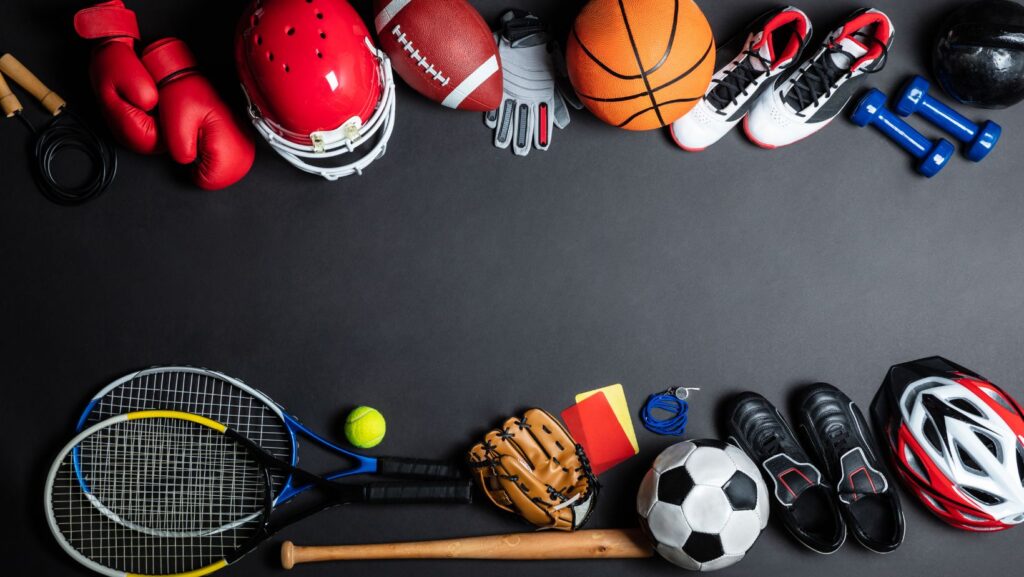
Regular exercise and sports have many positive physical and mental benefits, yet the equipment used in training often determines the safety of those outcomes. Unsupported shoes, racquets with improper grip sizes, or clubs that do not fit the body’s mechanics can all place additional stress on the joints and muscles. Even high-quality brands like PING golf equipment must align with the individual. In the long run, inappropriate equipment decisions can contribute to uncomfortable situations, overuse injuries, and a reduced sense of pleasure in sport.
Fit And Alignment
Proper fit is central to injury prevention. When the body is subjected to awkward positions by equipment, minor posture or movement deviations develop into repetitive stress. An improper grip size on a tennis racquet may lead to overgripping, causing wrist or elbow pain. Excessively long and short skis can promote unstable positions. Golf clubs that are not the correct length alter the angle of the spine and the swing path. Such mismatches may not seem serious initially, but they gradually place additional strain on ligaments and tendons.
Footwear And Impact
Whenever feet hit the ground, they absorb impact. Poorly fitting footwear, or footwear designed for other surfaces, may increase the force on the knees, hips, and back. Runners can experience shin splints or knee pain when using trainers that lack proper cushioning or stability. Players in the court with deteriorated soles are at risk of falling and twisting. Footwear with an appropriate arch support and heel stability is beneficial even to walkers. Properly chosen shoes based on foot shape, sport, and surface provide a foundation for safe movement.
Weight And Balance
An athlete’s technique is affected by the weight of the equipment. The too-heavy racquet or hockey stick may cause compensations in the grip or swing. Kids who use full-sized equipment before they are ready could strain their shoulders or wrists because they are not strong enough to control it. On the other hand, a gear that is too light may result in over-swinging or loss of control. Locating a golden mean enables the muscles to operate effectively without undue strain.
Protection That Truly Protects
Helmets, pads, and guards are available to mitigate the risk of injury, but ill-fitting protective equipment may create a false sense of safety. A helmet that fits loosely can move during impact. Shin guards that are not big enough expose areas to vulnerability. Poorly fitting mouthguards may disrupt breathing and concentration. In combat sports, properly fitted gloves such as Fight Gear boxing gloves help protect the hands and wrists while absorbing impact during training and sparring. By taking the time to select protective gear that is comfortable and fits the sport’s specifications, players are guaranteed it will work when needed most.
Subtle Signs Of Equipment Problems
Early warning signs may manifest as mild stiffness or pain after activity. A golfer may experience tightness in the lower back at the end of every round. Even when the technique appears right, a cricketer might experience pain in the fingers following a catch.
These are signs which must not be overlooked or accepted as usual. They can reflect that it is not only the level of fitness that is contributing to strain, but also the equipment.
Long-Term Consequences Of Poor Choices
Acute pain may develop into chronic pain if the underlying causes are not treated. Repeated aggravation of tendons or cartilage can result in tendonitis, bursitis, or joint degeneration. These conditions become more difficult to control once formed and can restrict future sporting ability. This is why preventive thinking is so crucial. Preventing future medical treatment by adjusting equipment at an early stage can help minimise the need for it.
Adjusting Gear As Bodies Change
Bodies do not stay the same. Children develop; adults gain or lose weight, flexibility, or strength; and older athletes might lose joint mobility. The equipment that was suitable five years ago might not be the best today. Golfers may need to adjust the shaft flex due to changes in swing speed. Changes in arch structure with age may necessitate a change in shoe type for runners. Regular checks of fit and suitability help keep gears aligned with the prevailing physical demands.
Working With Knowledgeable Advisors
The identification of equipment that facilitates healthy technique can be assisted by specialist retailers, coaches, and healthcare professionals. An educated club fitter can correlate golf clubs with swing dynamics. Running shop staff can perform gait analysis and suggest proper footwear. When the recurring pain points occur, physiotherapists can propose changes. Another protection is to consult knowledgeable individuals in sports and body mechanics.
Creating A Safer Sporting Future
Sporting equipment is a part of the body. When properly selected, it aids in natural movement, eliminates strain and gives skills a chance to develop without undue risk. It may silently damage long-term health if left untreated. Fit, weight, stability, and protection are factors worth paying attention to and reconsidering over the years as bodies and abilities evolve, which can keep an athlete active. Including equipment selection as part of the general training, players will establish a safer, more sustainable relationship with the sports they enjoy.