

Every athlete is familiar with the experience of pushing through pain, deliberately ignoring the warning signs that their body sends them, and simply hoping for the best possible outcome despite these risks. Statistics show the consequences of prioritizing performance over prevention. Every year, thousands of promising athletic careers end early because preventable injuries build up into career-ending conditions. Athletes must now focus on applying injury prevention strategies before permanent damage occurs. Recognizing how proactive care connects to lasting athletic success marks a crucial change in sports culture for all athletes.
The Hidden Cost of Sports Injuries on Athletic Careers
When discussing athletic injuries, most conversations focus on the immediate pain and recovery timeline. However, the true cost extends far beyond a few weeks on the sideline. Research compiled in comprehensive studies on sports-related injury prevention demonstrates that each significant injury creates lasting physiological changes that increase vulnerability to future problems. An ankle sprain today becomes chronic instability tomorrow, which eventually leads to compensatory movement patterns affecting knees, hips, and even the lower back.
Consider the financial implications alone, which represent only one aspect of the devastating consequences that athletes must confront when facing serious injuries during their careers. Professional athletes invest many years of dedicated effort into developing their skills to reach elite levels, while amateur competitors often sacrifice considerable personal resources, including time and money, when pursuing their passion. A single preventable injury can erase those investments overnight. Beyond money, there is an emotional toll that statistics alone cannot measure or capture. Athletes who experience career-ending injuries frequently report lasting psychological effects, which include depression, a profound sense of identity loss, and significant difficulty transitioning to life beyond competition when their athletic careers come to an abrupt end.
The repetitive nature of most sports, which requires athletes to perform the same movements countless times during training sessions, practices, and competitive events throughout each season, amplifies these risks considerably, placing cumulative stress on vulnerable joints, muscles, and connective tissues. Basketball players complete thousands of landings throughout each competitive season. Volleyball competitors jump repeatedly during every practice and match, subjecting their knees, ankles, and lower backs to constant impact forces that accumulate over time. Runners accumulate millions of foot strikes throughout the course of their athletic careers. Without proper protective measures, these repetitive stresses eventually surpass the body’s ability to adapt and repair, turning minor tissue damage into serious structural problems.
How Strategic Injury Prevention Makes the Difference
Effective injury prevention works on several levels at the same time. Surface-level methods address equipment, training changes, and recovery protocols. Deeper strategies address underlying biomechanical issues, muscle imbalances, and vulnerabilities specific to each sport. Top athletes integrate both approaches into complete protection systems that adapt over time.
Contemporary sports science has successfully identified several fundamental principles that serve as essential guidelines for prevention programs, which are designed to be effective in reducing athletic injuries. Specificity is extremely important in injury prevention programs. A prevention program created for runners is fundamentally different from one designed for contact sport athletes. Consistency, which involves maintaining a steady and regular approach to training and injury prevention over time, ultimately proves far more effective than intensity, as athletes who commit to frequent, moderate efforts rather than sporadic, demanding sessions tend to achieve superior long-term results. Brief daily maintenance routines produce better outcomes than occasional intensive sessions. Regular assessment drives improvement by catching problems early. Regular screening helps identify developing problems before they become serious injuries.
Athletes exploring how others build sustainable careers might find inspiration in fitness content creators sharing their training approaches on social platforms. Many successful influencers emphasize injury prevention as central to their longevity, demonstrating that protecting one’s body represents sound business strategy as well as athletic wisdom. This mindset shift transforms prevention from optional activity into essential practice.
Understanding Your Personal Risk Profile
Every athlete has distinct vulnerabilities shaped by their sport, physique, training background, and past injuries. Identifying individual risk factors is the first step toward meaningful protection. Athletes who have previously suffered ankle injuries, for example, face significantly elevated risks of respraining those joints if they do not receive appropriate preventive intervention and targeted rehabilitation. Certain biomechanical traits may demand targeted strengthening programs to safeguard at-risk joints.
Qualified practitioners provide valuable baseline health information. However, athletes can also develop a strong sense of self-awareness by paying careful attention to the warning signals that their bodies consistently provide during training and competition. Persistent soreness, reduced performance, changed movement patterns, and subtle pain during activities all signal developing problems that need attention. Athletes must learn to tell normal training discomfort from harmful pain for lasting success.
Building Sustainable Training Habits
Training program design itself is perhaps the most overlooked aspect of injury prevention. Progressive overload must be balanced with recovery needs. Periodization helps tissues adapt without building up too much damage. Rest becomes an active and essential part of athletic development rather than simply being passive downtime. Athletes who truly master these essential concepts of progressive overload, periodization, and strategic recovery typically enjoy significantly longer and healthier careers than those who simply push themselves to train harder during every single session.
Protecting Volleyball Players with Proper Ankle Support
Volleyball poses unique challenges for ankle health because of the sport’s constant jumping and landing requirements. Athletes frequently land on uneven and unstable surfaces during gameplay, which often includes stepping on opponents’ feet when both players are competing for position at the net. Defensive lateral movements put extra stress on ankle structures. These factors combine to create conditions that make ankle injuries among the most common and persistent problems that volleyball players face throughout their athletic careers.
Specialized protective equipment has evolved significantly in recent years. Modern volleyball ankle braces combine lightweight materials with sophisticated support mechanisms that protect without restricting necessary movement. Unlike older designs that traded mobility for stability, contemporary options allow full athletic performance while providing meaningful injury resistance.
The decision to use protective equipment should carefully factor in personal history, including any previous injuries or vulnerabilities, current physical condition and fitness level, as well as the specific activity demands and intensity requirements of the sport being practiced. Athletes who are returning from previous ankle injuries benefit particularly from external support during the critical rebuilding phase, as this additional protection helps stabilize the joint while tissues heal and strength is gradually restored. Even those without injury history may find that proactive protection allows more confident, aggressive play without the subconscious hesitation that injury fear creates.
Three Essential Steps to Build Your Personal Prevention Routine
Building a solid prevention routine demands careful planning and steady, consistent follow-through over time. The following steps offer a framework that athletes can adjust to fit their individual circumstances and needs:
1. Conduct a thorough vulnerability assessment. Document injuries, pain patterns, and problematic movements; consider professional biomechanical screening to guide prevention.
2. Develop sport-specific protective protocols targeting your vulnerabilities through exercises, mobility work, and equipment choices.
3. Establish monitoring and adjustment systems. Track injuries and near-misses, then refine protocols as patterns emerge.
These foundational steps apply universally regardless of the particular sport an athlete pursues, their current experience level, or the competitive aspirations they hold for their athletic journey. While the specific details may vary enormously depending on individual circumstances and chosen disciplines, the underlying principles that guide athletic development remain remarkably constant across all athletic populations.
When Prevention Becomes the Foundation for Long-Term Success
Athletes who fully embrace thorough injury prevention strategies, which include proper warm-up routines, strength training, and recovery protocols, effectively position themselves for significantly extended careers and sustained high-level performance throughout the many demanding years of competitive sport. The initial investment in time and careful attention that athletes make toward protecting their bodies pays significant dividends over the course of their careers through substantially reduced time lost to injury, more consistent and uninterrupted training progression, and greater confidence when performing during high-pressure competition. Perhaps most importantly, these athletes often keep enjoying their sports long after peers have retired due to accumulated injuries.
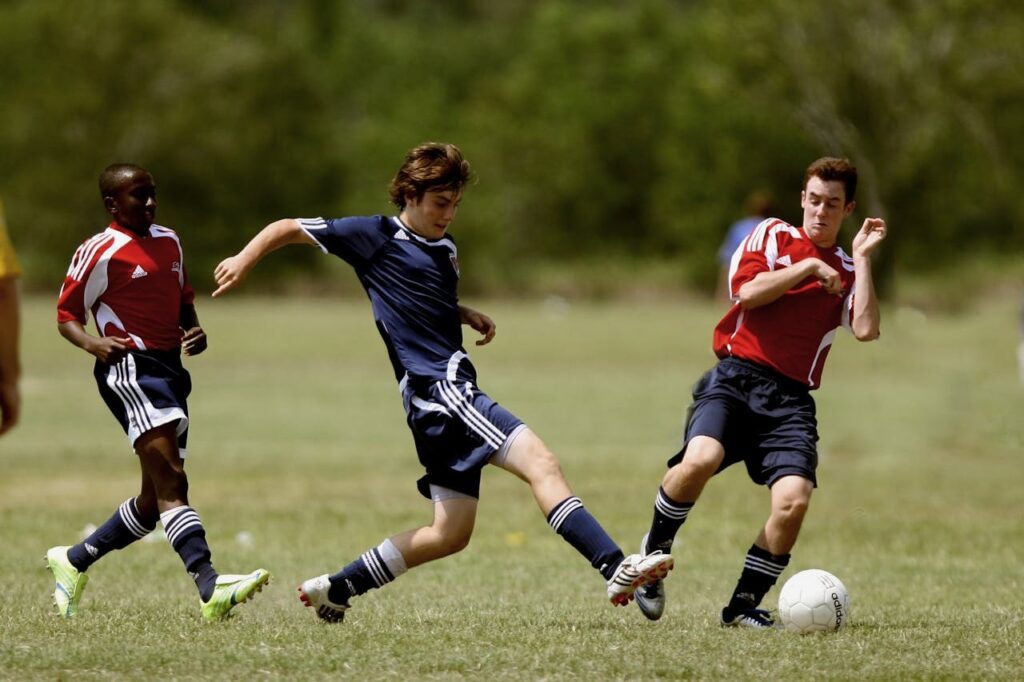
The cultural shift toward valuing prevention over reaction continues gaining momentum throughout the athletic world. Professional organizations increasingly invest in preventive services. Youth programs emphasize proper development over early specialization. Recreational athletes recognize that protecting their bodies allows lifelong participation in activities they love.
Injury prevention can absolutely save and extend athletes’ sports careers. The evidence supports this conclusion, and numerous athletes prove it through their long, healthy careers. The only remaining question is whether individual competitors will fully commit to implementing the proven strategies and methods that both scientific research and practical experience have consistently shown to be effective in preventing injuries. Those who do commit to these practices will likely look back years from now with deep appreciation, feeling genuinely grateful that they made injury prevention a true priority rather than treating it as a mere afterthought.